Related Commercial
Find everything from design fixes to expert tips on Homely magazine.
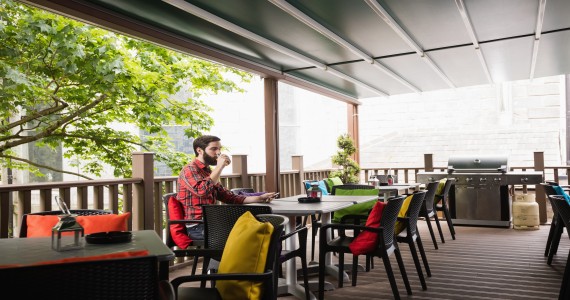
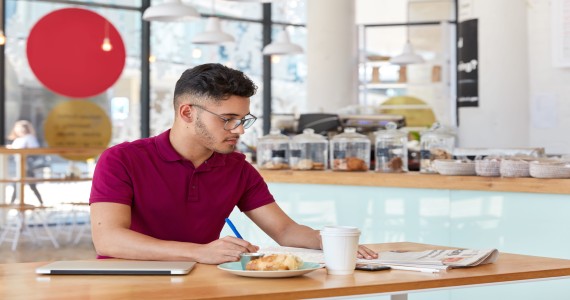
Top Innovative Cafeteria Interior Design Trends Guide
Cafeterias have evolved beyond simple dining spaces—they now serve as vibrant social centers that shape employee satisfaction, strengthen brand identity, and enhance the overall user experience. Modern cafeteria interior design trends are transforming commercial dining environments, redefining their appearance, atmosphere, and functionality.
From smart layouts and sustainable materials to tech-integrated dining concepts, modern cafeterias are designed to enhance efficiency while creating inviting environments. Whether for corporate offices, universities, hospitals, or industrial facilities, staying updated with the latest trends ensures long-term functionality and visual appeal.
In this comprehensive guide, we explore the most impactful cafeteria design innovations shaping commercial interiors today.
Why Innovative Cafeteria Interior Design Matters
Before diving into the trends, it’s important to understand why innovation in cafeteria design is essential.
1. Enhances User Experience
A thoughtfully designed cafeteria creates a welcoming and comfortable environment that encourages relaxation and social interaction.
2. Improves Space Efficiency
Modern cafeteria layout planning ensures smooth movement, reduced congestion, and optimal seating capacity.
3. Strengthens Brand Identity
Customized interiors reflect company culture and brand personality.
4. Increases Operational Efficiency
Smart zoning improves workflow between kitchen, serving counters, and dining areas.
5. Supports Sustainability Goals
Eco-friendly materials and energy-efficient systems reduce long-term operational costs.
Adopting innovative dining space design trends helps businesses stay competitive and future-ready.
Top 15 Innovative Cafeteria Interior Design Trends in 2026
Below are the most influential trends redefining modern commercial cafeteria interiors.
1. Smart Space Planning & Flexible Layouts
One of the most important innovative cafeteria interior design trends is flexibility. Modern cafeterias are designed with modular furniture and adaptable seating arrangements.
Features include:
Movable partitions
Foldable tables
Multi-use dining zones
Modular commercial furniture
Flexible layouts allow cafeterias to transform for events, meetings, or peak dining hours, maximizing space efficiency.
2. Sustainable & Eco-Friendly Materials
Sustainability is no longer optional—it is essential.
Popular materials include:
Reclaimed wood panels
Bamboo furniture
Recycled metal finishes
Low-VOC paints
Energy-efficient LED lighting
Sustainable cafeteria design not only reduces environmental impact but also creates a warm and natural atmosphere.
3. Biophilic Design Integration
Nature-inspired interiors are dominating commercial interior design trends.
Biophilic cafeteria design includes:
Indoor plants and vertical gardens
Natural wood textures
Stone finishes
Abundant natural lighting
This trend enhances mood, reduces stress, and creates a refreshing dining experience.
4. Industrial Minimalist Themes
Industrial aesthetics remain a strong design direction.
Key elements:
Exposed ceilings
Visible ductwork
Concrete finishes
Neutral color palettes
Black metal fixtures
This theme offers a modern, cost-effective, and visually striking cafeteria interior.
5. Open Ceiling Concepts
Instead of traditional false ceilings, many commercial cafeterias now feature open ceilings.
Benefits include:
Increased visual height
Cost savings
Industrial appeal
Improved airflow
Open ceiling cafeteria designs create a contemporary and spacious ambiance.
6. Smart Lighting Systems
Lighting has evolved beyond basic functionality.
Modern cafeteria lighting trends include:
Motion-sensor lighting
LED strip accents
Pendant statement lights
Energy-efficient fixtures
Automated brightness control
Smart lighting enhances mood while reducing energy costs.
7. Technology-Integrated Dining Spaces
Technology integration is one of the fastest-growing innovative cafeteria interior design trends.
Examples include:
Digital menu boards
Self-order kiosks
QR-based ordering systems
Charging stations
Smart display screens
Technology enhances convenience and operational efficiency.
8. Multi-Zone Seating Concepts
Instead of uniform seating, modern cafeterias incorporate diverse seating options:
Private booths
Collaborative tables
Lounge seating
Bar-height counters
Outdoor seating areas
This allows users to choose spaces based on their comfort and needs.
9. Acoustic Optimization
Noise control is critical in high-traffic dining spaces.
Innovative acoustic solutions include:
Sound-absorbing wall panels
Acoustic ceiling tiles
Upholstered seating
Fabric partitions
These elements create a more pleasant and comfortable dining atmosphere.
10. Branding-Focused Interior Design
Cafeterias are becoming extensions of brand identity.
Design elements may include:
Logo integration
Custom wall graphics
Brand color schemes
Thematic décor
Branding-focused cafeteria interiors strengthen corporate culture and leave lasting impressions.
11. Hygienic & Easy-to-Maintain Surfaces
Post-pandemic design priorities emphasize hygiene.
Materials trending in commercial cafeterias:
Antibacterial laminates
Seamless countertops
Slip-resistant flooring
Stainless steel surfaces
These materials improve cleanliness and reduce maintenance costs.
12. Bold Color Accents & Statement Walls
Neutral tones are often complemented by vibrant accent walls or artistic murals.
Trending approaches:
Geometric patterns
Statement art walls
Vibrant brand colors
Creative ceiling graphics
This adds personality and energy to dining spaces.
13. Sustainable Lighting & Energy Efficiency
Energy-conscious businesses are investing in:
Solar-powered lighting systems
Smart HVAC control
Energy-efficient kitchen equipment
These innovations reduce operational costs while promoting sustainability.
14. Modular & Custom Furniture Design
Custom-designed cafeteria furniture improves both function and aesthetics.
Trends include:
Built-in bench seating
Compact foldable tables
Durable laminate finishes
Industrial metal-framed chairs
Modular furniture enhances layout flexibility and longevity.
15. Open Kitchen & Transparent Food Display Concepts
Transparency builds trust.
Modern cafeterias now include:
Open kitchen layouts
Glass partitions
Visible food preparation areas
This enhances hygiene perception and customer confidence.
How to Successfully Implement Innovative Cafeteria Interior Design Trends
Following trends blindly can lead to inefficiency. Strategic implementation is essential.
1. Conduct Space Analysis
Understand your layout limitations and traffic flow.
2. Define Budget & Priorities
Choose trends that align with your operational needs.
3. Focus on Durability
Commercial dining spaces require heavy-duty materials.
4. Hire Professional Designers
Experienced commercial interior designers ensure proper planning and execution.
5. Ensure Compliance
Electrical, ventilation, and fire safety standards must be followed.
Professional guidance ensures innovative concepts translate into practical results.
Benefits of Adopting Modern Cafeteria Interior Trends
Investing in innovative cafeteria interior design trends provides measurable benefits:
Higher employee satisfaction
Improved customer retention
Increased seating capacity
Enhanced brand value
Reduced maintenance costs
Energy efficiency savings
Modern cafeterias contribute directly to productivity and organizational culture.
Bringing Innovative Cafeteria Interior Design Trends to Commercial Projects
These trends are suitable for various commercial sectors:
Corporate Offices
Boost employee engagement with smart seating and biophilic elements.
Educational Institutions
Flexible layouts and durable materials enhance functionality.
Hospitals
Hygienic surfaces and calming colors create patient-friendly spaces.
Industrial Facilities
Efficient layouts ensure smooth workflow and high capacity.
Food Courts
Branding-focused and technology-integrated designs attract customers.
Applying these trends strategically transforms ordinary dining areas into vibrant commercial hubs.
Frequently Asked Questions (FAQs)
1. What are the latest innovative cafeteria interior design trends?
Flexible layouts, sustainable materials, biophilic design, smart lighting, and technology integration are among the most popular trends.
2. How do innovative cafeteria designs improve efficiency?
Smart zoning, better traffic flow, and modular seating improve both operational and user efficiency.
3. Are sustainable cafeteria designs expensive?
Initial investment may be higher, but long-term energy savings and durability reduce overall costs.
4. How often should cafeteria interiors be updated?
Most commercial cafeterias benefit from renovation every 5–8 years depending on usage.
5. Can innovative trends work for small cafeterias?
Yes. Even small spaces can incorporate modular furniture, smart lighting, and multi-zone seating concepts.
Final Thoughts
The evolution of innovative cafeteria interior design trends reflects changing user expectations, sustainability priorities, and technological advancements. Modern cafeterias are no longer just dining spaces—they are strategic environments that enhance brand value and user experience.
By adopting flexible layouts, eco-friendly materials, smart lighting, and technology-integrated solutions, businesses can create dining spaces that are functional, durable, and visually compelling.
If you are planning to upgrade or design a commercial cafeteria, incorporating these trends strategically will ensure long-term success and operational efficiency.