Related Commercial
Find everything from design fixes to expert tips on Homely magazine.
Modern Food Court Design Ideas for Shopping Malls | Expert Guide
Shopping malls are no longer just retail destinations — they are lifestyle and entertainment hubs. At the heart of every successful mall lies a vibrant, well-designed food court. Today, developers and investors are actively searching for modern food court design ideas for shopping malls that enhance customer experience, increase foot traffic, and boost revenue.
A thoughtfully designed food court does more than provide seating — it creates an inviting social space where visitors relax, dine, and connect. In this guide, we’ll explore the latest mall food court interior design trends, layout strategies, seating concepts, and commercial design techniques that define modern shopping mall dining areas.
Why Modern Food Court Design Matters in Shopping Malls
Food courts are one of the highest revenue-generating zones in a mall. A well-planned design directly impacts:
Customer dwell time
Overall mall experience
Brand perception
Tenant satisfaction
Rental value
Modern consumers expect comfort, ambiance, and Instagram-worthy spaces. A poorly designed dining area can result in overcrowding, noise issues, and customer dissatisfaction.
Professional mall food court interior design focuses on:
Efficient space utilization
Smooth customer circulation
Comfortable seating arrangements
Strategic lighting
Hygienic and durable materials
For developers in Bangladesh, investing in professional commercial interior design ensures long-term profitability and competitive advantage.
Key Elements of Modern Food Court Design Ideas for Shopping Malls
Creating a successful food court requires a balance between aesthetics and functionality. Below are the most important elements:
1. Smart Layout Planning
Layout is the backbone of any successful food court.
Modern food court layout ideas prioritize:
Clear zoning for vendors
Centralized seating arrangements
Logical traffic flow
Easy access to waste disposal areas
Emergency exit planning
High-traffic area design requires careful circulation mapping to prevent congestion during peak hours. Professional commercial space planning ensures every square foot is optimized without compromising comfort.
2. Contemporary Seating Concepts
Seating design defines the overall customer experience.
Popular modern seating design for food courts includes:
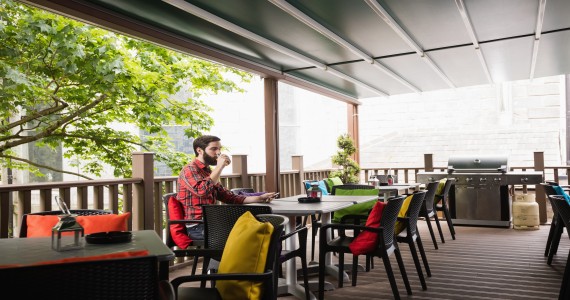
Communal tables for groups
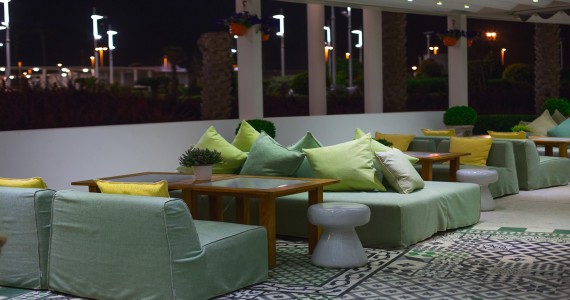
Lounge-style seating for comfort
Modular furniture for flexibility
Bar-height counters for quick dining
Family-friendly seating zones
Flexible seating allows malls to adjust layouts during seasonal promotions or events. Durable materials are essential for interior design in high-traffic spaces.
3. Modern Lighting Design
Lighting creates atmosphere and influences customer mood.
Commercial lighting solutions often combine:
Ambient lighting for overall brightness
Pendant lighting above seating areas
Accent lighting to highlight branding
LED strips for modern aesthetics
Energy-efficient lighting is also part of sustainable commercial design. Proper lighting enhances food presentation and improves the overall shopping mall dining area design.
4. Branding & Visual Identity
Each vendor in a food court represents a unique brand. However, the overall design must maintain harmony.
Effective retail branding design includes:
Coordinated color palettes
Digital menu boards
Feature walls
Statement ceilings
Integrated signage systems
Interior branding solutions ensure individual outlets stand out while maintaining consistency across the entire space.
5. Sustainable & Eco-Friendly Materials
Modern design is shifting toward sustainability.
Green building concepts include:
Recycled wood panels
Energy-efficient HVAC systems
Low-maintenance flooring
Natural textures and biophilic elements
Eco-friendly interior materials not only reduce operational costs but also improve brand image.
Top Modern Food Court Design Trends in 2026
As shopping malls evolve, so do design expectations. Here are the top modern food court design ideas for shopping malls trending in 2026:
✔ Industrial & Contemporary Themes
Exposed ceilings, metal finishes, concrete textures, and open ducts create a trendy urban feel.
✔ Biophilic Commercial Design
Incorporating greenery, vertical gardens, and natural lighting improves ambiance and reduces stress.
✔ Open Ceiling Concepts
Removing false ceilings creates a spacious and dynamic environment.
✔ Instagrammable Spaces
Feature walls, artistic installations, and neon signage encourage social media engagement.
✔ Smart Digital Integration
Interactive kiosks, digital menu boards, and LED displays enhance customer convenience.
These contemporary mall interiors attract younger audiences and elevate the overall mall experience.
Common Mistakes to Avoid in Mall Food Court Design
While exploring modern food court design ideas for shopping malls, avoiding these mistakes is crucial:
❌ Poor Ventilation Planning
Food courts generate heat and odors. Without proper HVAC systems, customer comfort suffers.
❌ Overcrowded Seating
Maximizing seats at the expense of movement space leads to congestion.
❌ Inadequate Lighting
Dim or harsh lighting affects ambiance and brand presentation.
❌ Weak Acoustic Planning
Excessive noise reduces dining comfort. Acoustic panels help manage sound levels.
❌ Ignoring Brand Cohesion
Each outlet must retain identity while aligning with the overall design theme.
Professional hospitality interior design firms address these issues during planning stages.
How Professional Interior Designers Transform Mall Food Courts
Designing a mall food court requires expertise beyond decoration. It involves engineering coordination, safety compliance, and strategic planning.
A professional commercial interior contractor provides:
Site analysis and feasibility study
3D visualization and rendering
Budget planning and material selection
Vendor coordination
Turnkey interior solutions
Project supervision
This structured approach ensures timely execution and long-term durability.
Why Choose Homely Interior Ltd for Modern Food Court Design?
If you are looking to implement innovative modern food court design ideas for shopping malls in Bangladesh, Homely Interior Ltd offers complete commercial interior solutions tailored to your project needs.
Our Strengths:
✔ Customized mall food court interior design concepts
✔ Expert commercial space planning
✔ High-quality material sourcing
✔ Sustainable design implementation
✔ Turnkey project management
✔ On-time delivery
As a trusted commercial interior design company in Bangladesh, we transform shopping mall dining areas into vibrant, functional, and profitable spaces.
Cost Considerations for Mall Food Court Interior Design
The cost of implementing modern food court design ideas depends on:
Total square footage
Design complexity
Material selection
HVAC requirements
Lighting systems
Custom furniture production
Every project has unique requirements. A detailed consultation helps determine accurate budgeting and scope.
Investing in professional retail interior design in Bangladesh ensures long-term returns and reduced maintenance costs.
How Modern Food Court Design Increases Mall Revenue
A well-designed food court:
Encourages longer customer stay
Increases food vendor sales
Improves overall mall foot traffic
Enhances tenant retention
Strengthens brand perception
Interior design directly influences customer behavior. Comfortable and visually appealing environments lead to repeat visits.
Frequently Asked Questions (FAQs)
1. What are modern food court design ideas for shopping malls?
They include smart layout planning, flexible seating, sustainable materials, modern lighting, and integrated branding concepts.
2. How do you design a mall food court layout?
By analyzing traffic flow, vendor placement, seating capacity, and ventilation requirements.
3. What materials are best for food courts?
Durable, low-maintenance, fire-compliant, and eco-friendly materials are recommended.
4. How long does a mall food court interior project take?
Depending on size and complexity, it typically takes 6–12 weeks.
5. Why hire a professional interior design company?
Professionals ensure compliance, efficient space planning, durability, and better return on investment.
Final Thoughts
Modern food court design ideas for shopping malls focus on creating engaging, functional, and future-ready dining spaces. From smart layout planning to sustainable materials and digital integration, every detail contributes to customer satisfaction and commercial success.
If you are planning to develop or renovate a shopping mall dining area in Bangladesh, working with experienced professionals ensures exceptional results.
Homely Interior Ltd specializes in commercial and retail interior design, delivering innovative and turnkey food court solutions that align with modern trends and business goals.
Transform Your Mall Food Court Today
Ready to bring your vision to life?
Contact Homely Interior Ltd today for expert consultation on modern mall food court interior design. Let us help you create a space that attracts visitors, enhances brand value, and maximizes profitability.
Website: https://homelyinteriorltd.com
Phone: +8801707009813