Related Commercial
Find everything from design fixes to expert tips on Homely magazine.

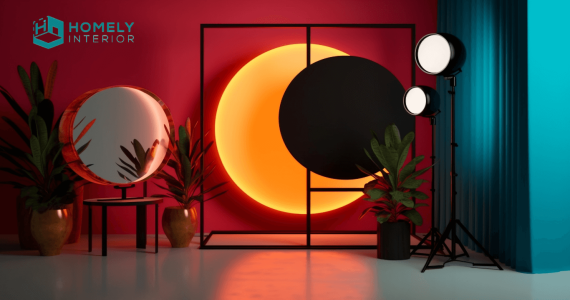
Best Layout Ideas for Small Podcast Rooms (Complete 2026 Guide)
Designing the best layout ideas for small podcast rooms can feel overwhelming when you’re working with limited space. Poor microphone placement, echo issues, cluttered desks, and bad lighting can ruin both your audio quality and your video presence.
The good news? Even a compact room can become a professional-quality podcast studio with the right layout strategy.
In this guide, you’ll discover practical and space-saving small podcast room setup ideas, expert placement tips, acoustic solutions, and design strategies to transform any small room into a powerful podcast recording space.
Why Layout Matters in a Small Podcast Room
A smart home podcast studio layout directly impacts:
🎙 Sound clarity
🎥 Video framing and background
💡 Lighting quality
🧘 Comfort during long recordings
📦 Space optimization
In small rooms, every inch matters. A poorly planned podcast recording room setup can cause echo, mic bleed, and cramped movement. But with strategic design, you can create a compact podcast studio that feels spacious and professional.
7 Best Layout Ideas for Small Podcast Rooms
Below are the most practical and high-performing layout ideas for compact spaces.
1. Corner Studio Layout (Space Maximizer)
One of the smartest small home studio ideas is using a corner of the room.
Why it works:
Corners are often unused.
Walls naturally help contain sound.
Easier to control acoustics.
How to set it up:
Place a compact desk diagonally in the corner.
Install acoustic panels on both walls behind the microphone.
Add floating shelves above for décor and storage.
Use soft lighting to avoid harsh shadows.
This layout works perfectly for solo podcasters.
2. Wall-Facing Desk Setup (Best for Audio Control)
Placing your desk directly against a treated wall is one of the best layout ideas for small podcast rooms focused on sound quality.
Setup tips:
Install acoustic foam or sound panels behind the mic.
Keep the microphone 6–8 inches from your mouth.
Avoid facing windows (they reflect sound).
This layout reduces echo and improves clarity in a compact podcast studio design.
3. Closet Conversion Layout (Budget Soundproof Option)
If you have a walk-in closet, you already have a semi-soundproof room.
Clothes act as natural acoustic absorbers, making this one of the easiest podcast room design ideas.
How to optimize it:
Place a small table inside.
Add a mounted mic arm.
Install a small LED panel for lighting.
Keep cables organized using wall clips.
This is ideal for creators who want a quiet, affordable podcast recording room setup.
4. Minimalist Table-Center Setup (For Interviews)
If you host guests, a small round table in the center works well.
Best for:
Two-person interviews
Video podcast recordings
Conversational format
Setup guide:
Place microphones facing each other.
Add a soft rug underneath to reduce floor reflection.
Keep the background clean and visually appealing.
This layout works well in square-shaped rooms.
5. Foldable Studio Layout (Multi-Purpose Room)
If your podcast room doubles as a bedroom or office, flexibility is key.
Use:
Foldable desk
Portable acoustic panels
Rolling mic stands
Collapsible lighting
You can set up and dismantle your small podcast room setup within minutes, keeping the space functional.
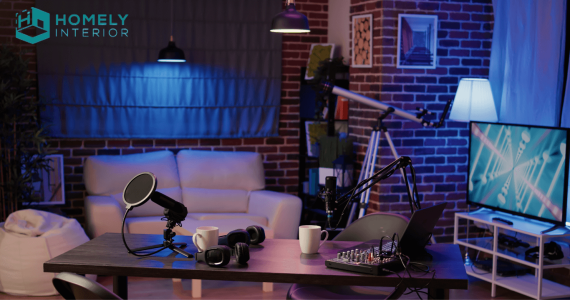
6. Video-Optimized Layout (For YouTube Podcasters)
If you record video podcasts, design matters even more.
Important elements:
Background aesthetics (plants, shelves, art)
Warm lighting behind you
LED accent lights
Balanced framing
Place your desk about 2–3 feet away from the wall to create depth in the shot. This makes even a small room look more spacious on camera.
7. L-Shaped Desk Layout (Maximum Productivity)
An L-shaped desk helps organize:
Audio mixer
Laptop
Notepad
Lighting controls
This layout keeps your recording area separate from your editing space — perfect for serious creators working in limited square footage.
Essential Equipment Placement Tips for Small Podcast Rooms
No matter which layout you choose, placement is critical.
🎙 Microphone Position
6–8 inches from your mouth
Slightly angled to reduce plosive sounds
Use a pop filter
🔊 Acoustic Treatment
Panels behind and beside your mic
Soft furniture to absorb sound
Avoid empty walls
💡 Lighting Setup
Main light in front
Fill light to reduce shadows
Backlight for depth
📦 Cable Management
Use under-desk cable trays
Avoid tangled wires
Keep floor area clean
Proper placement improves both audio quality and visual professionalism.
Small Podcast Room Mistakes to Avoid
Avoid these common design errors:
❌ Placing your mic in the center of an untreated room
❌ Recording near windows without curtains
❌ Using bare walls without acoustic treatment
❌ Overcrowding the room with furniture
❌ Ignoring background visuals for video podcasts
A cluttered room increases echo and reduces comfort.
How to Soundproof a Small Podcast Room (Affordable Tips)
If you’re working with a tight budget, try these solutions:
Thick curtains on windows
Rugs or carpets on floors
Wall-mounted foam panels
Bookshelves (great sound absorbers)
Door draft stoppers
Soundproofing and acoustic treatment are not the same — you don’t need full isolation, just controlled reflection.
Ideal Room Size for a Small Podcast Studio
You don’t need a huge space.
An ideal small podcast room size:
6x6 feet (minimum for solo setup)
8x10 feet (ideal for interviews)
Even a small bedroom can become a professional home podcast studio layout with smart design.
Frequently Asked Questions
What is the best layout for a small podcast room?
The corner studio or wall-facing desk layout works best for sound control and space efficiency.
Can I build a podcast studio in my bedroom?
Yes. Use foldable equipment and portable acoustic panels to maintain flexibility.
Where should I place my microphone in a small room?
Place it near a treated wall, not in the center of the room.
Do I need full soundproofing?
No. Acoustic treatment to reduce echo is usually enough for home podcast setups.
Final Thoughts
Creating the best layout ideas for small podcast rooms isn’t about having more space — it’s about using your space wisely.
With the right combination of:
Smart furniture placement
Acoustic treatment
Clean cable management
Proper lighting
You can transform even the smallest room into a professional-quality podcast studio.
If you're designing a creative interior space and want it to be both functional and visually stunning, smart layout planning is always the first step.